
Depending on where you live, you may be shocked that the first day of spring is almost here, or you may be surprised to find out it isn’t spring already. But whether you’re still running your heat or already opening your windows, now is a good time to start preparing for the change in weather and temperature. So, what can you do to spring into the new season? We’re here to share a few tips to get your house ready for longer days and brighter mornings.
Get the AC ready to go
Even though we’re not trying to beat the heat just yet, those days are coming. It’s a good idea to have your air conditioner prepared before you need it. As the temperature gets warmer, consider having your unit inspected. If any maintenance or repairs need to be made, it’s much easier to schedule them before the summer heat starts bearing down.
Your unit may need to be cleaned. You can remove leaves, weeds and grass from around the unit; ideally, you’ll have about two feet of clear space around your AC. You can even gently rinse the coils with your garden hose, but don’t use high pressure, as it can damage the coils.
Bring in a pro
For a more thorough cleaning of the AC’s evaporator and condenser coils, we recommend reaching out to a professional who can safely clean heavy buildup without causing damage. While they’re doing that, they can check the refrigerant levels, identify and repair any leaks and recharge the refrigerant as needed. They can also inspect all the electrical connections; loose connections are a common cause of AC failure, and a professional service technician can check the wiring and capacitors and inspect the disconnect box.
Depending on their plan, Service Guard customers may be eligible for additional savings when they schedule inspections or maintenance in the online portal.
Check your thermostat
Before the summer heat hits your home, you should also test your thermostat by confirming it switches into cooling mode without any issues. Run a test cooling cycle by setting the thermostat below room temperature and waiting for the system to start. It should blow cool air and cycle on and off correctly. Pay attention to any unusual sounds or odors which may indicate a problem, and don’t forget to change your filter. Now is also a great time to invest in a smart or programmable thermostat which will help you keep your house cool — and warm for that matter — while also saving energy and money; up to 8% of your heating and cooling bills each year.
We also offer rebates that can help offset the cost of purchase and installation.
Is it time for an upgrade?

Do you have an old air conditioner that doesn’t work well anymore? It may be worth considering replacing your old, inefficient equipment with a high-efficiency heat pump or air conditioning unit. Not only will a new unit maintain a more consistent temperature, but it will also run more quietly, improve indoor air quality and is much more efficient.
New heat pumps can save you around $300 per year, or more in certain climates. High-efficiency air conditioners can reduce energy use for cooling by up to 50% when paired with additional actions to help keep your home cool.
If now is the time to replace your outdated equipment, check out our rebates to see if you’re eligible to save money on a new air conditioner or heat pump.
Turn that fan around
This one is an old favorite; you’ve probably heard it before, but it’s always good to get a reminder. When the weather is cold you want your ceiling fan to spin clockwise at low speed to pull cooler air upward and push warmer air back down, circulating trapped warm air. When it’s warm though, you want your fan turning counterclockwise to create a cooling breeze and circulate cool air. This reduces energy consumption and allows you to raise your thermostat by about 4 degrees with no noticeable change in comfort.
Here’s a bonus tip; clean your ceiling fan before you switch directions. If you don’t, you may get a little dust storm falling from the blades.
Keep water out

As snow melts or rain falls, that water has to go somewhere, and you don’t want it flowing into your basement. If you have areas around your house where water pools, you can take steps to fix them by filling low spots with topsoil and creating a gentle slope that leads away from your house. If you have compacted soil, using a core aerator will help water soak into the ground instead of pooling and running off.
Your gutters and downspouts may have gotten clogged with leaves and other debris over the autumn and winter, so take a little time to clean them out to make sure water can run freely. Consider installing downspout extensions to help water run a safe distance away from your house. As you’re cleaning out gutters, make sure you’re using your ladder safely to prevent injury.
Make small repairs to prevent big energy loss
As it gets warmer outside, we recommend checking your weatherstripping and seals; these are spots where you lose heat in the winter and cold air escapes in the summer. Replace damaged weatherstripping and caulk to reduce drafts.
It’s a great idea to open windows to let cool air in at night, but if your window screens have holes, rips or tears, it’s also an unintentional invitation to curious bugs into your bedroom. Most screens are easy to patch, repair, or replace with tools and materials from your local hardware store. Many hardware stores also repair screens as a service, so if you’re not feeling too handy or don’t have a lot of extra time, you can still get your house ready for some fresh air.
Home energy assessments
Most homes, even newer ones, have room to improve when it comes to energy efficiency. To make improvements, however, homeowners need to know what steps they can take to move the needle. That’s why we offer free home energy assessments to help customers understand how they use energy and what they can do to be more energy efficient and save money on utility bills.
Start by exploring our rebate page for your state, find the home energy assessment and schedule an appointment for a time that works best for you. One of our trained energy evaluators will help you pinpoint the improvements you can make.
Think about safety
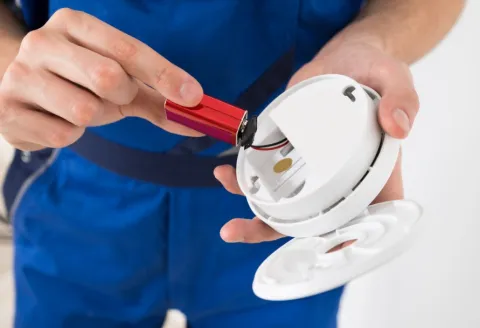
While you’re doing any spring cleaning, take a few minutes to test your smoke and carbon monoxide detectors. Replace batteries and make sure that everything is working properly. You can also inspect any fire extinguishers you have in your kitchen, garage or elsewhere in your home, and restock your first-aid kit and emergency supplies.
Are you ready for spring?
Warmer days are on the way, and taking some of these steps now will help you be ready well before summer shows up.
Whether you’re looking to explore rebates, schedule a home energy assessment or just looking for helpful advice, we’re here to help — no matter the season.
Positive Energy