With summer in full swing, we all want to be cool and comfortable. But when air conditioners work overtime, energy use climbs, and so do electric bills. The good news is you can keep your house cool while still managing costs. From A/C care and managing routines to finding rebates, small changes can add up to a big difference.
Cooling smarter
Air conditioning is often the largest driver of summer energy use. The U.S. Department of Energy recommends setting your thermostat to about 78 degrees when you are home, and a few degrees higher when you’re away to reduce demand and cost.
For many of us, that may seem high. If you’re used to keeping your thermostat at a lower temperature, even small adjustments can make a difference. According to the U.S. Department of Energy, adjusting your thermostat by 7°–10°F for 8 hours per day can save up to 10% annually on heating and cooling. That translates to roughly 1-3% savings per degree of adjustment.
Those small adjustments make a difference, and a programmable or smart thermostat can automatically manage temperature changes throughout the day. This reduces run time without sacrificing comfort. You may even be eligible for rebates when you install a smart thermostat.
Protect your A/C
Your cooling system needs attention during peak season. Some simple maintenance can help it run more efficiently and extend its lifespan.
Change or clean your filter regularly
Dirty filters restrict airflow and force your system to work harder. The Department of Energy recommends checking filters monthly and replacing them as needed.
Keep outdoor units clear
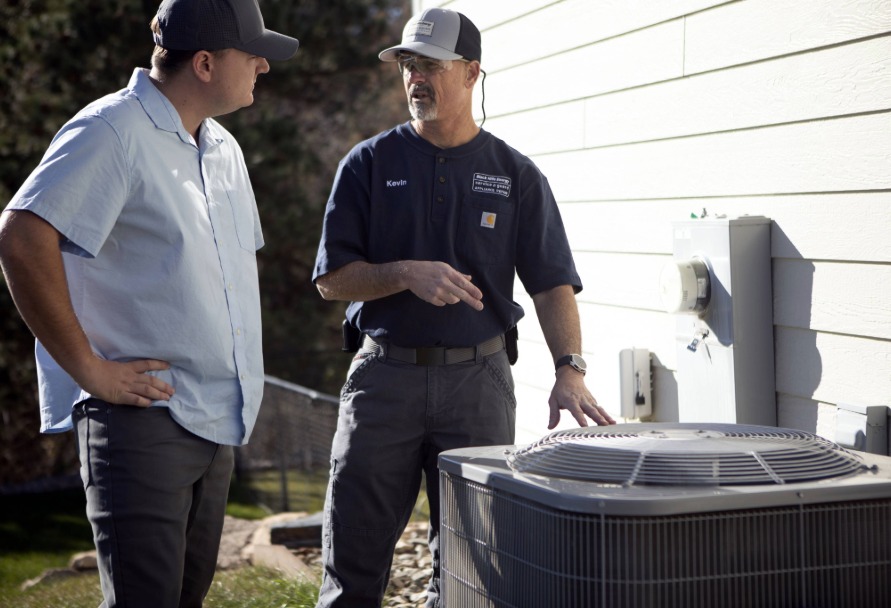
Trim plants and clean debris around your outdoor unit to allow proper airflow. Blocked airflow reduces efficiency.
Seal and inspect ducts
Leaky ducts can waste cool air, especially in attics or unconditioned spaces. Fixing leaks improves performance.
Schedule a tune-up
An annual inspection from qualified technicians helps identify issues before they become costly repairs.
Consider an upgrade
If your system is more than 10 years old, you may want to evaluate replacement options. Newer systems can operate more efficiently and lower long-term costs. Rebates may be available for energy efficient options.
Additional cooling options
Did you know that you may have options that will help you stay cool that use less energy than an A/C? These vary depending on the climate of where you live but may be worth exploring.
Window fans and portable fans use less energy and can be effective when outdoor temperatures drop in the evening. According to the Department of Energy, whole house and attic fans can reduce air conditioning demand by pulling cooler evening air into your home and push hot air out.
In drier climates, evaporative coolers, also known as swamp coolers, use significantly less energy than traditional air conditioning by cooling air through evaporation. These aren’t effective in every location, but in low-humidity environments, they can significantly increase comfort without using a lot of energy.
Choosing the right combination of tools can lower overall energy use while maintaining comfort.
Other cool ways to stay cool
Your A/C is only one way to stay comfortable this summer. Here are some helpful tips and daily habits that deliver steady savings.
Control the airflow
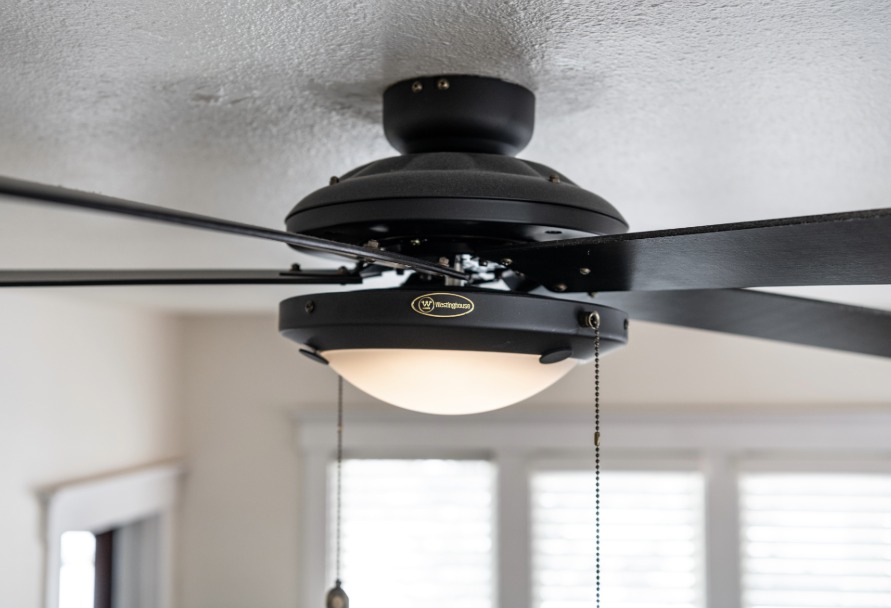
Ceiling fans should rotate counterclockwise in summer to push cool air down. This creates a wind chill effect that helps rooms feel cooler without lowering the thermostat.
Stay in the shade
Close blinds or curtains during the hottest part of the day. Exterior shading like awnings or trees can reduce indoor temperatures and lower cooling demand.
Keep cool air inside
Limit your use of kitchen and bath exhaust fans. They pull conditioned air outside quickly.
Cook at cooler times
If you’re cooking inside, consider preparing meals early in the morning or later in the evening to avoid adding heat to your home.
Use appliances wisely
Run dishwashers and was laundry during cooler hours. This reduces both heat and peak energy use.

Outdoor cooking
Not only are grilling and outdoor cooking summer staples, they’re also a great way to keep your home cooler. Safety matters when you cook outside, but a few precautions can help protect you from fires, burns and foodborne illness risks.
Placement matters
Keep grills away from structures, decks and overhanging branches. The National Fire Protection Association advises maintaining clear space around grilling areas to reduce fire risk.
Check equipment before use
Inspect gas lines and connections for leaks. Replace worn or damaged parts.
Never leave a grill unattended
Stay present while cooking and keep a fire extinguisher or water source nearby.
Be smart when you start
For gas grills, open the lid before lighting. For charcoal, use approved starters instead of adding fluid to lit coals.
Keep cold foods cold
The U.S. Food and Drug Administration recommends keeping perishable foods at 40 degrees or below using coolers and ice packs.
Avoid cross-contamination
Separate raw meats from ready to eat foods and wash hands after handling.
Limit time at room temperature
Do not leave cooked food out for extended periods, especially in warm weather.
Bringing it all together
Summer comfort doesn’t have to come at a high cost. A well-maintained A/C system, consistent daily habits and attention to safety all work together.
Start with small changes. Adjust your thermostat, replace your filter and use fans to help stay cool. Grill your dinner a few times a week and shift energy use to cooler hours. Then look at bigger opportunities like equipment upgrades or rebates.
Each step builds toward a more efficient, safe and comfortable home.
Cool rebates from Black Hills Energy
We offer rebates and programs that can help you upgrade to more efficient cooling equipment and reduce energy use.
This may include rebates on the following:
- High-efficiency air conditioners
- Heat pumps that provide both heating and cooling
- Smart thermostats that improve temperature control
- Insulation that improves the efficiency of your home
- Home efficiency improvements that support cooling performance
Rebates help lower upfront costs, making it easier to invest in equipment that uses less energy and performs better over time.
Explore current offers, eligibility and application details any time you’re considering purchasing a new appliance.
If you are considering a new system or upgrade, checking available rebates first can help you plan and maximize savings.