Summer has a way of changing our routines. Vacation schedules, longer days, outdoor activities and kids being home all influence how we use energy. But even though we’re still sweating, fall is on the way. Soon our students will head back to school and cooler weather will start creeping into the forecast.
Since the weather will change before we know it, now is a great time to start preparing for heating season. A few simple steps today can help improve comfort, reduce energy use and lower utility bills throughout the fall and winter months.
Let your routine work for you
One of the easiest ways to save energy is to match your home's energy use to your family's schedule.
When everyone is heading back to school or returning to a more regular work routine, your home may sit empty for several hours each day. There's no reason to heat an empty house to the same temperature you prefer when you're home.
According to the U.S. Department of Energy, adjusting your thermostat by 7-10 degrees for about eight hours each day can save up to 10% annually on heating and cooling costs. If you have a heat pump, large setbacks in winter can sometimes reduce efficiency because the system may use auxiliary/emergency heat to recover the temperature. In that case, a more modest setback of 3-5 degrees may be better.
A programmable or smart thermostat makes these adjustments automatic, helping you lower your energy use without sacrificing comfort. Many models allow you to create schedules based on your family's routines, and some can be controlled from your smartphone.
If you're considering installing a smart thermostat, be sure to check available Black Hills Energy rebates to see whether you qualify for incentives.
Give your heating system a head start
The first cold snap always seems to arrive unexpectedly. The last thing anyone wants is to discover a heating issue on the first freezing night of the season.
Before temperatures start dropping, take a few minutes to make sure your heating system is ready to go.
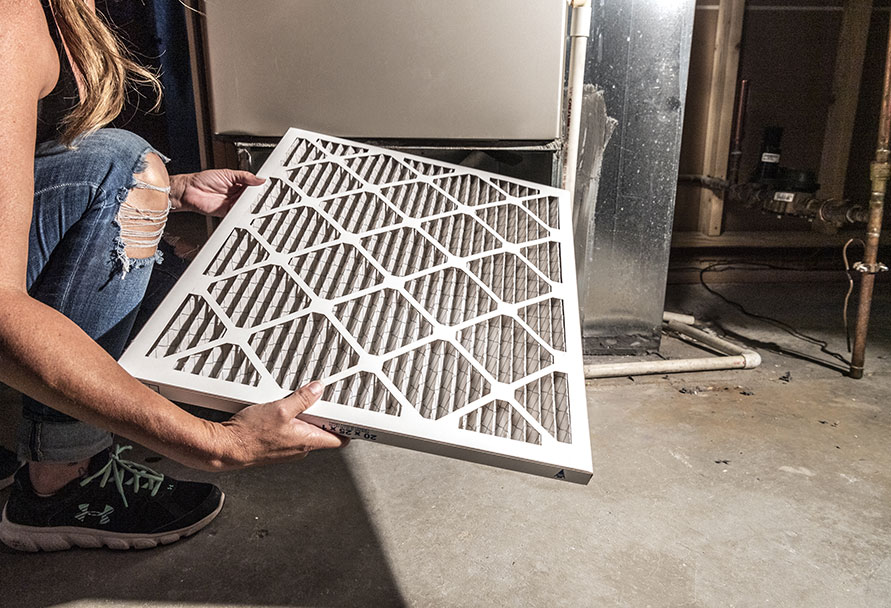
Change your furnace filter
Replacing your furnace filter is one of the easiest and most affordable ways to improve efficiency.
A dirty filter restricts airflow, forcing your system to work harder than necessary. Check your filter once a month and replace as needed. If you have pets, allergies, nearby construction or have recently experienced smoky conditions from wildfires, you may need to replace filters more frequently.
Not sure if it's time? Hold the filter up to a light. If little or no light passes through, replace it.
Schedule a heating tune-up
Now is also a great time to have a qualified technician inspect your furnace or heating system.
A professional can:
- Verify safe operation
- Check burners and heat exchangers
- Inspect electrical components
- Test system performance
- Identify issues before they become costly repairs
A little preventive maintenance now can help avoid unexpected breakdowns when temperatures drop later this winter.
Depending on your plan and location, Service Guard customers may be eligible for additional savings and an energy efficiency rebate for natural gas customers in Iowa and Colorado when scheduling inspections or maintenance in the online portal.
Seal up drafts before winter arrives
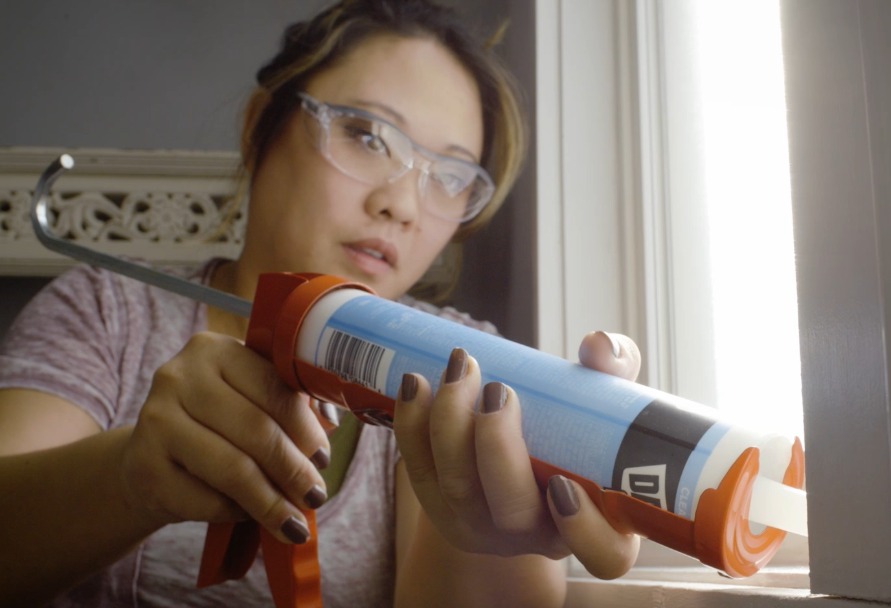
As the seasons change, small air leaks around windows and doors can become major sources of heat loss. Sealing air leaks and improving insulation can reduce annual energy bills by up to 10% while making homes more comfortable.
Take a walk around your home and look for:
- Drafty windows
- Gaps around doors
- Openings around exterior vents
Weatherstripping is designed for doors and windows that move, while caulk is used to seal stationary gaps and cracks.
These projects are often inexpensive, straightforward and can deliver noticeable improvements in both comfort and energy efficiency.
And here’s a bonus; sealing these cracks and gaps won’t just help keep your home warmer in the winter months. It will also help keep it cooler right now.
Manage back-to-school electronics
When students head back to school, household energy use often shifts from air conditioners and outdoor activities to laptops, tablets, gaming systems and homework stations.
While individual devices may not use much electricity, the number of electronics in a modern home can add up quickly.
Some easy habits to adopt include:
Unplug chargers and devices
Many electronics continue drawing power even when they're turned off. This is sometimes called "standby power" or "phantom load."
Using advanced power strips or simply unplugging devices when not in use can help reduce unnecessary energy use.
Choose ENERGY STAR certified electronics
If you're purchasing new computers, monitors or other back-to-school technology, consider ENERGY STAR certified products. ENERGY STAR certified electronics are designed to use less energy without sacrificing performance.
Make lighting smarter
As daylight hours become shorter, lights stay on longer in many homes.
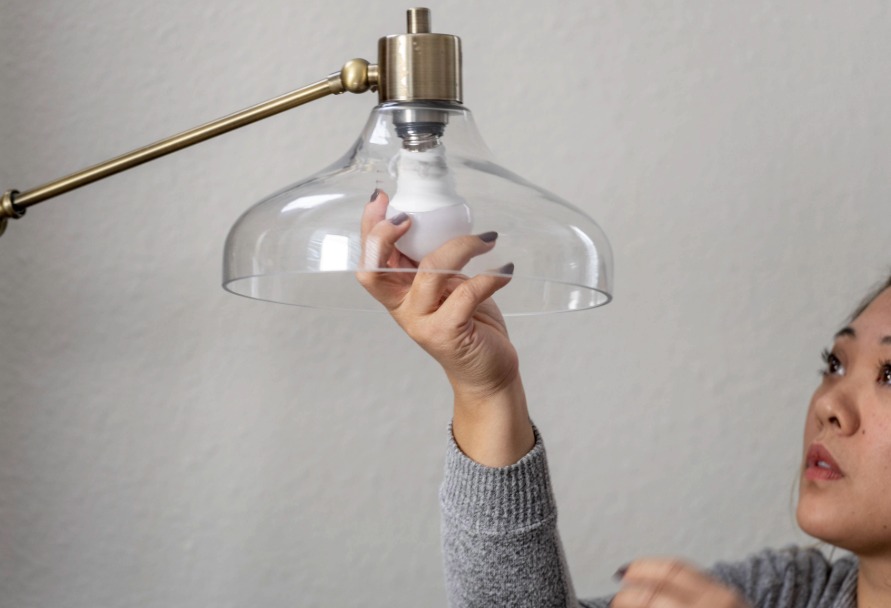
Replacing older bulbs with LEDs is one of the simplest energy-saving upgrades available. The Department of Energy notes that LED lighting uses significantly less energy and lasts much longer than traditional incandescent bulbs.
Take advantage of rebates and energy-saving programs
Whether you're upgrading equipment, improving insulation or installing a smart thermostat, there may be programs available to help offset costs.
Black Hills Energy offers a variety of energy-efficiency rebates and programs that can help customers reduce energy use and improve comfort. Check out what’s available and see if you’re eligible for savings.
If you don’t know where to begin, a home energy assessment can help you understand how you use energy and what you can do to be more energy efficient and save money on utility bills. Get started by exploring our rebate page for your state, find the home energy assessment and schedule an appointment for a time that works best for you. One of our trained energy evaluators will help you pinpoint the improvements you can make.
Don't forget safety
As heating season approaches, remember to test both smoke alarms and carbon monoxide detectors.
Carbon monoxide is produced whenever fuels such as natural gas, propane, wood or heating oil are burned. Regularly testing detectors and replacing batteries is an important part of seasonal home maintenance.
If your home uses natural gas, take a moment to review natural gas safety basics with everyone in your household. If you smell a gas odor, immediately evacuate the building or area. Once you reach a safe distance, call 911 and Black Hills Energy at 888-890-5554. Stay away from the area until you are informed by Black Hills Energy employees or emergency responders that it is safe to return.
Ready for a new season
Back-to-school season is about more than new schedules and busy calendars. It's also an opportunity to prepare your home for the colder months ahead.
A new furnace filter, a few thermostat adjustments, some weatherstripping and a review of available rebates may not seem like much individually. Together, though, they can make a meaningful difference in comfort, energy use and monthly bills.
The seasons are changing. With a little preparation now, your home will be ready when heating season arrives.