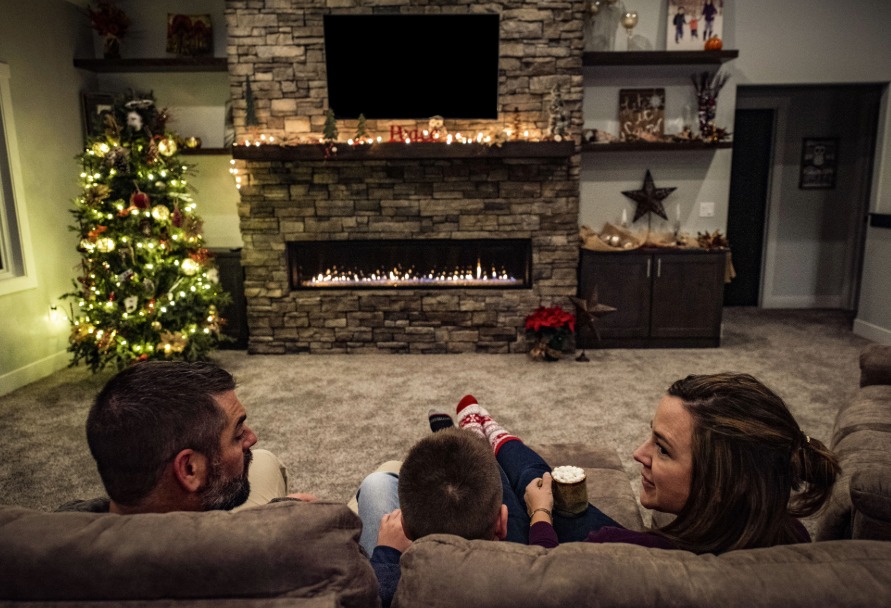
The holidays can mean more lights, cooking and time at home, but they don’t have to mean higher energy costs. Using LED holiday lights, limiting how long decorations are on, sealing drafts and making small changes to your heating and cooking habits can help you use less energy while keeping your home comfortable and safe.
Here are simple ways to save energy during the holidays.
How LED holiday lights can save energy
LED holiday lights use less electricity and stay cooler than traditional incandescent holiday lights. ENERGY STAR-certified LED light strings use up to 90% less electricity than incandescent holiday lights and can last much longer.
You can also make your decorations brighter without using additional electricity. Mirrors, reflective ornaments and similar decorations can help reflect the light you already have.
Seal drafts around windows and doors
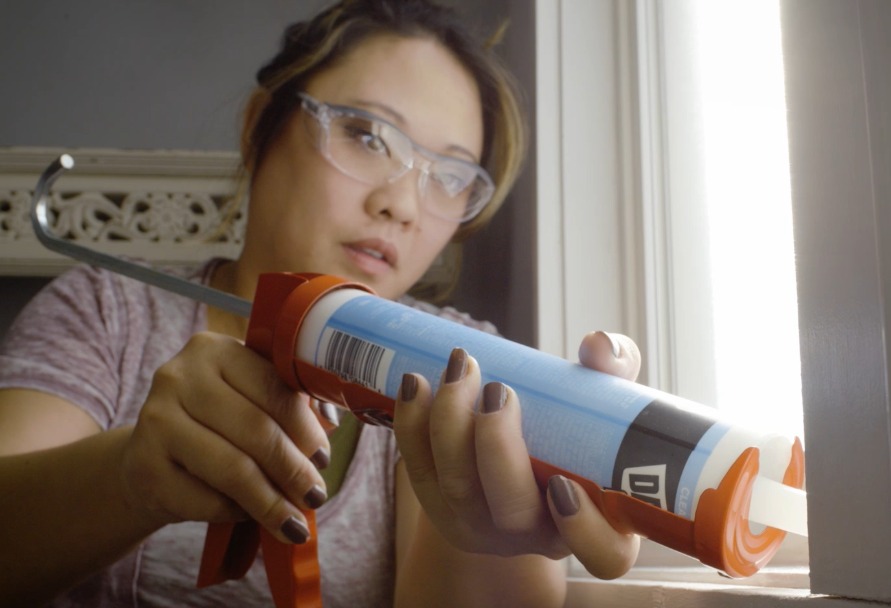
Sealing air leaks around windows and doors can reduce drafts and help keep heated air inside your home. Check for cold air around windows, exterior doors and other areas where outside air may enter.
Use caulk or weatherstripping to seal air leaks where appropriate. These improvements can help reduce energy waste throughout the winter, not just during the holidays.
Learn more about weatherization.
Put holiday lights on a timer
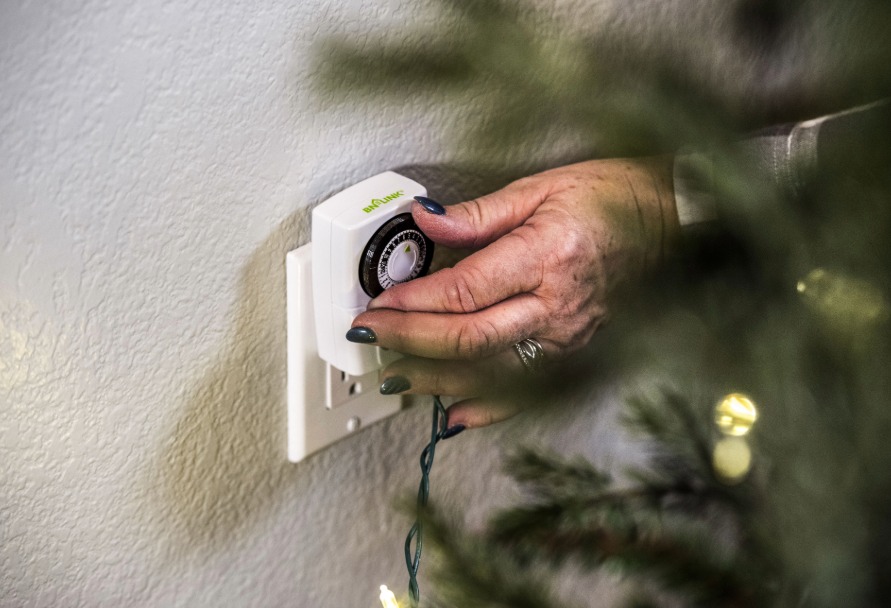
Use a timer to automatically turn holiday lights off when you don’t need them. For example, you might turn outdoor lights on around sunset and off before you go to bed.
Timers and smart plugs can make this automatic, so you don’t have to remember to turn lights on and off every day. If you use a smart plug, you may also be able to adjust the schedule from your phone.
Check holiday lights and decorations for damage
Inspect holiday lights, cords and electrical decorations before plugging them in. Don’t use decorations with frayed wires, damaged cords or broken bulbs.
Follow the manufacturer’s instructions for using lights and electrical decorations indoors or outdoors. Replace damaged decorations rather than attempting to repair unsafe cords or wiring.
Adjust your thermostat when you’re sleeping or away
A programmable or smart thermostat can automatically adjust your home’s temperature when you’re sleeping, at work or traveling. This can help reduce heating energy use without requiring you to remember to change the thermostat throughout the day.
Hosting family or friends? A house full of people can add warmth, so you may be comfortable lowering the thermostat a few degrees while guests are there.
If you’re considering a smart thermostat, check available residential rebates to see whether you qualify for additional savings.
Use less energy while cooking holiday meals
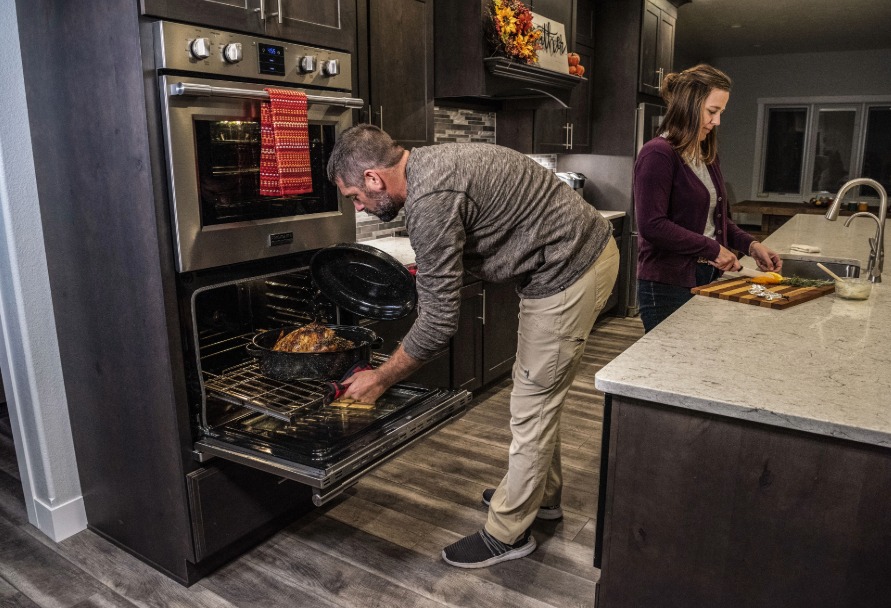
You can reduce energy use while cooking by limiting how often you open the refrigerator and oven and by cooking multiple dishes together when temperatures and cooking times allow.
Try these simple steps:
- Gather what you need from the refrigerator at once instead of opening the door several times.
- Cook multiple dishes together when they require similar temperatures and cooking times.
- Avoid opening the oven door unnecessarily because heat escapes each time it is opened.
- If cooking is warming your home, consider lowering the thermostat a little while you’re in the kitchen.
Find more ways to save energy this winter
Small changes to your lighting, heating and cooking habits can help you manage winter energy use. Using efficient lighting, reducing unnecessary energy use and keeping heated air inside your home can all make a difference.
You may also qualify for rebates when you make energy-efficiency improvements to your home.
See available energy-efficiency rebates.