Now is the best time to prepare
September is National Preparedness Month, making this a great time to remind ourselves that emergencies rarely show up with an invitation. A severe thunderstorm, wildfire, blizzard or other emergency can happen with little warning, turning an ordinary day into a stressful one. The good news is that a little preparation will improve almost any situation.
Some of the most effective preparedness steps take less than an hour and can make a big difference when the unexpected happens. Whether you're protecting your family, your pets or your business, National Preparedness Month provides a great opportunity to create a plan, build an emergency kit and make sure you know what to do when an emergency occurs.
At Black Hills Energy, preparedness is part of what we do every day. We work year-round to maintain our systems, strengthen infrastructure and coordinate with emergency responders to support safe, reliable service. But preparedness works best when everyone plays a role. That's why we're encouraging our customers to take a few simple steps now that can make a big impact later.
Step 1: Make a plan before an emergency happens
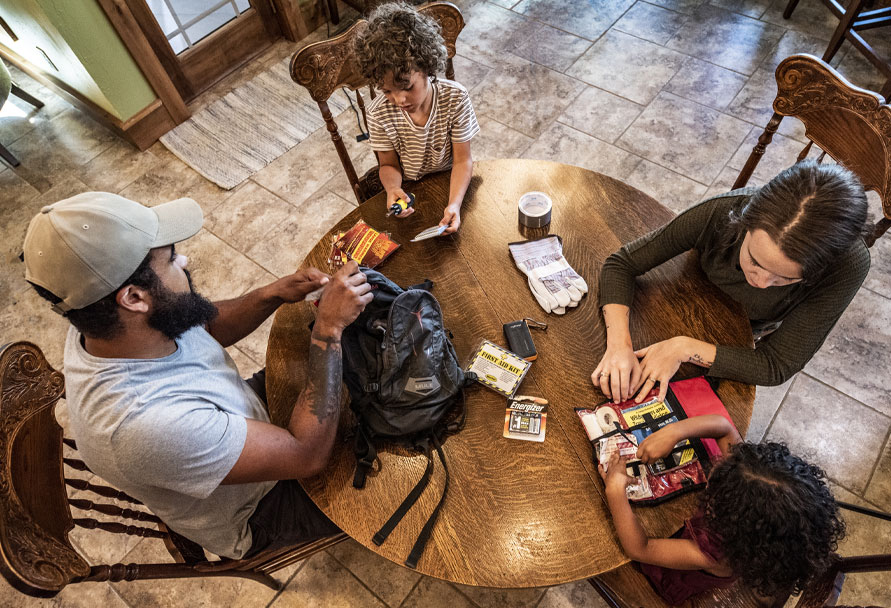
When an emergency strikes, decisions may need to be made quickly. Having a plan in place ahead of time helps reduce uncertainty and gives everyone in your household a clear understanding of what to do.
Start by discussing common emergency scenarios that could affect your area. Depending on where you live, that might include severe storms, wildfires, winter weather or flooding – all of which may cause service disruptions or power outages.
A family emergency plan should answer a few important questions:
- How will family members communicate if they're separated?
- Where will you meet if you need to leave your home?
- What evacuation routes will you use?
- Where will you go if it's unsafe to return home?
- How will you care for pets or family members with special medical needs?
The Federal Emergency Management Agency offers helpful planning templates and resources.
You can also find additional guidance on emergency preparedness and outage planning through Black Hills Energy's emergency resources.
The most important part of any plan is making sure everyone knows it. Review it with family members and practice it occasionally, especially with children.
Step 2: Build an emergency kit you can actually use
If you had to leave your home or spend several days without power, would you have the essentials you need?
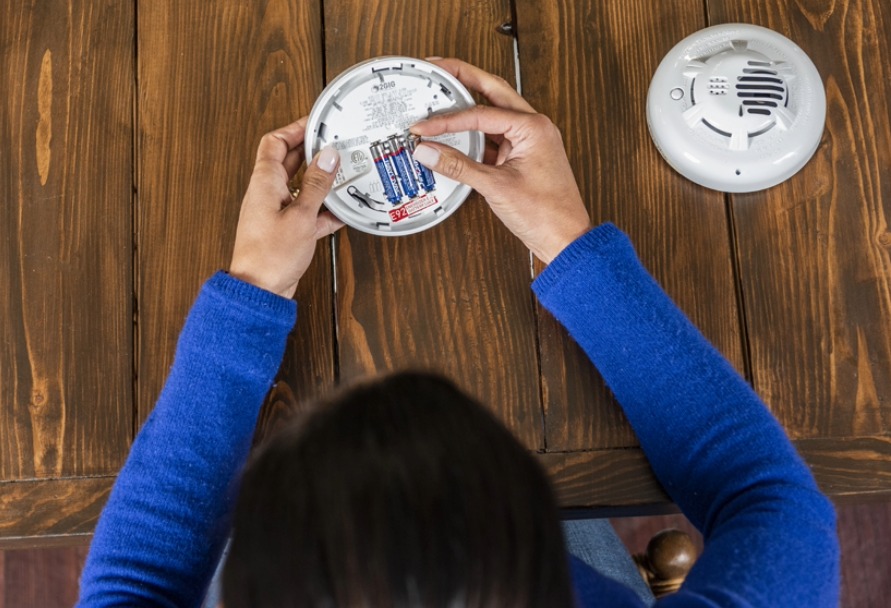
Putting together your emergency kit doesn’t have to be expensive or complicated. Most of the basic items are probably already in your home.
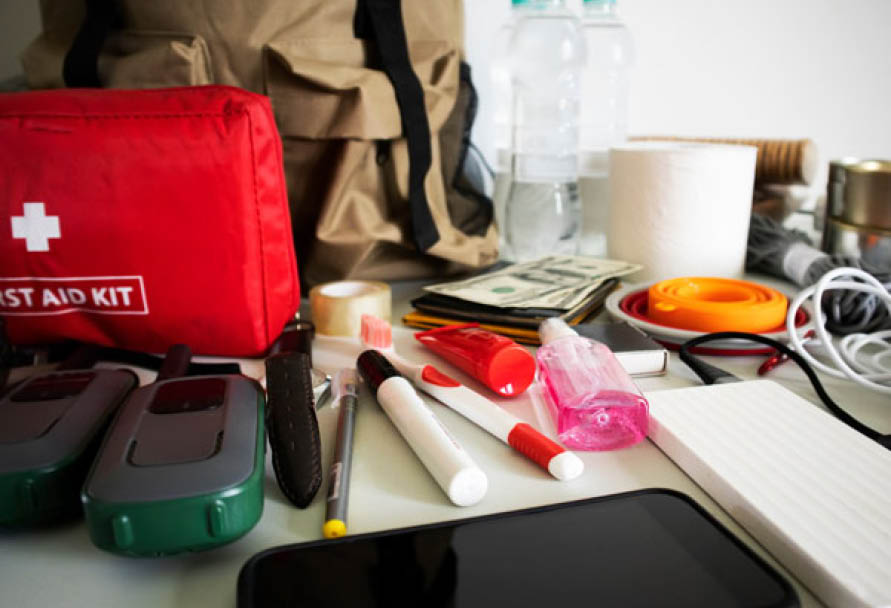
According to Ready.gov, emergency kits should include enough supplies to support your household for several days. Essentials include:
- Water, ideally one gallon per person per day
- Nonperishable food
- Flashlights or headlamps
- Extra batteries
- A first-aid kit
- Prescription medications
- Portable phone chargers or power banks
- A battery-powered or hand-crank radio
- Important documents stored in waterproof containers
- Supplies for pets and infants, if applicable
Think about what you’ll need if you’re not at home during an emergency. It’s a good idea to keep a smaller kit in your vehicle in case of unexpected road closures or long travel delays.
For a complete checklist, visit Black Hills Energy's emergency kit guide.
One extra tip: once your kit is packed, set a reminder to review it every six months. Replace expired food, update medications and check batteries so that everything is ready when you need it.
Step 3: Prepare for power outages
Power outages can occur during severe weather and other unexpected events. While crews work as quickly and safely as possible to restore service, preparation can help keep your household comfortable and safe in the meantime.
Before an outage occurs:
- Charge phones and backup battery packs.
- Use surge protectors for sensitive electronics.
- Keep flashlights in easy-to-access locations.
- Know how to report an outage and monitor restoration updates.
- Develop a backup plan if someone in your household relies on electricity-powered medical equipment.
If the power goes out, avoid opening refrigerator and freezer doors to help preserve food. Use flashlights instead of candles whenever possible to reduce fire risks.
If you use a portable generator, follow all manufacturer instructions carefully. Generators should never be operated inside homes, garages or enclosed spaces because they can produce deadly carbon monoxide concentrations.
You can stay informed during outages by visiting our outage map and ensuring your account contact information is current. You can even add additional contacts to receive notifications in case you want family members to get alerts, require assistance at home or would like a representative of your business to be notified.
Step 4: Know the signs of a natural gas emergency
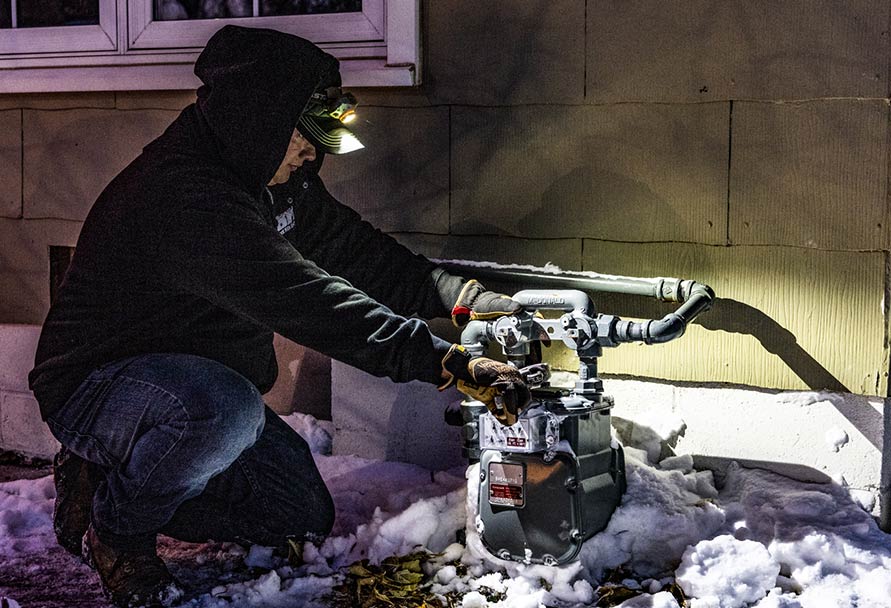
Natural gas has an excellent safety record, but it’s important to know a few basic principles to stay safe.
Natural gas is odorized with a sulfur-like smell, often compared to rotten eggs, specifically so leaks can be detected quickly.
If you smell natural gas:
- Leave the area immediately.
- Warn others to evacuate.
- Do not operate light switches, electronic devices or vehicles nearby.
- Do not attempt to locate or repair the leak yourself.
- Once safely away from the area, call 911 and Black Hills Energy at 888-890-5554.
One common mistake people make is opening windows or attempting to investigate the source of the odor. The safest action is always to leave first and call from a safe location.
Learn more about natural gas safety and emergency response.
Step 5: Stay safe around electricity
Reviewing a few basic electrical safety practices can help protect you and your family before, during and after an emergency.
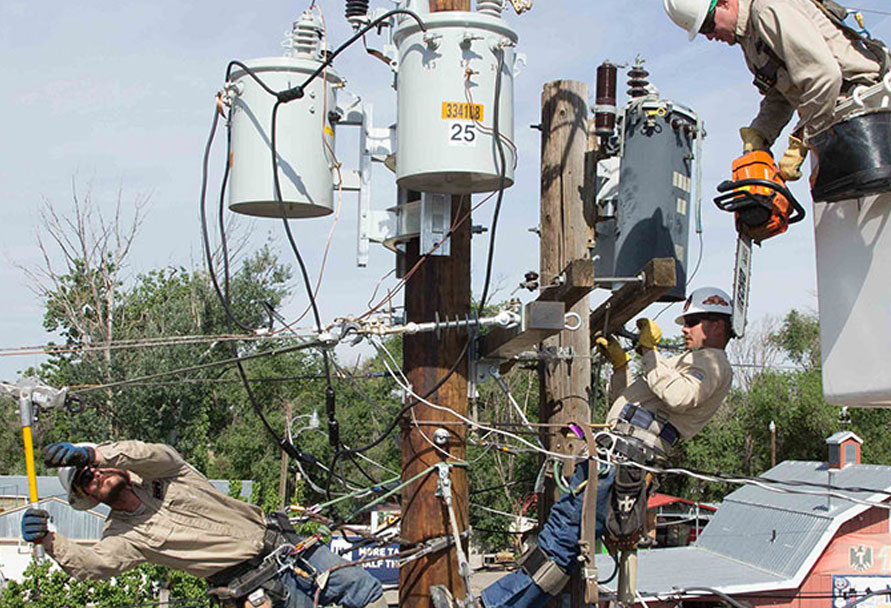
One of the most important rules is to stay far away from downed or damaged powerlines.
If you see a downed powerline:
- Stay far away from it and anything it may be touching.
- Never attempt to move or pick up a fallen line.
- Do not drive over a downed line or under a low-hanging line.
- Call 911 and report the hazard immediately.
- Never attempt to rescue someone who is in contact with a power line.
Storm preparation also includes protecting your home's electrical equipment. Consider using surge protectors for sensitive electronics and unplugging devices before severe weather arrives to reduce the risk of damage from power surges.
Outdoor safety matters, too. Keep ladders, antennas, kites, tree-trimming equipment and other long objects away from overhead powerlines. If you're planning landscaping or home improvement projects, always be aware of nearby electrical infrastructure.
You can learn more about electrical safety, outage preparedness and powerline safety.
Preparedness is a shared responsibility
At Black Hills Energy, preparedness is part of what we do every day. Our crews continuously inspect our systems, manage vegetation near powerlines, upgrade equipment and coordinate with emergency management partners to support safe, reliable service.
Weather changes, storms come and go and unexpected situations will arise, which is why preparedness matters. We take steps before an emergency happens to help reduce disruptions and support a safer response.
You can do your part as well. Making a plan, building an emergency kit, staying informed and talking with family members about emergency preparedness can help keep your family safer and more comfortable if the unexpected occurs.
National Preparedness Month is a reminder that readiness starts before an emergency. The steps you take today can help you respond more confidently tomorrow.