Investing in our Wyoming energy system
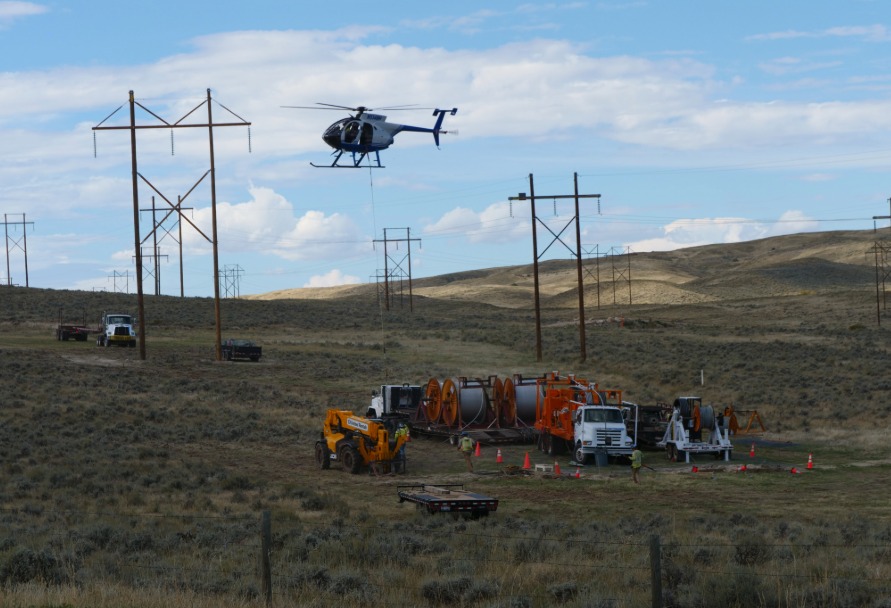
At Black Hills Energy, we’re not just providing power today; we’re actively preparing to provide safe and reliable energy for years to come. In Wyoming, we’re upgrading infrastructure, building redundancy and enhancing safety so homes and businesses stay powered both day and night.
The recently completed Ready Wyoming project, the largest infrastructure project in our company's history, has a significant impact on how we provide value to our customers, the state and the region. Highlights include:
- Connecting northern and southern Wyoming service areas into a single electrical grid.
- Reducing reliance on third-party transmission, lowering long-term costs.
- Improving reliability and grid resilience.
- Creating more access to renewable energy and broader power markets.
- Supporting future growth throughout the state and region.
We're continuing to strengthen the grid with additional generation capabilities and system upgrades to facilitate growth. These investments reduce outages, shorten restoration times and add safeguards that protect both people and equipment.
Every investment we make in Wyoming, and across our service territories, focuses on:
- Strengthening reliability
- Enhancing safety
- Preparing for changing conditions
- Supporting the moments that matter, every day
We’re hard at work, making smart investments to keep Wyoming safely powered for generations to come.
Safety and reliability in action
Planning ahead and working together makes a real difference when it comes to safety. We focus on preparedness, clear communication and coordination with communities so people know what to expect and how to respond when conditions change.
Wildfire mitigation
Wildfire risk is increasing across Wyoming. We take a proactive approach through system improvements, monitoring conditions and working with local partners to reduce exposure and help communities take practical steps to stay safe.
Vegetation management
Managing trees near power lines helps prevent outages, protect equipment and lower wildfire risk. This ongoing work is a key part of maintaining dependable electric service and reducing potential hazards before they start.
Emergency response
When unexpected events occur, our teams are ready to act. Through training, planning and coordination with local responders, we work quickly to restore service, share timely updates and support the communities we serve.
Frequently asked questions
Why is Black Hills Energy requesting a rate update in northeastern Wyoming?
Our most important responsibility is providing safe, reliable energy to our customers and communities. We are requesting a rate update on behalf of customers served by our Black Hills Power Wyoming utility. A rate update is needed to adjust for the rising costs to operate and maintain our electric system since rates were last set in 2014. It will also allow us to recover critical system costs already incurred to support the safe and reliable delivery of electricity to power customer homes and businesses. Learn more about what that means for you.
Why are you building the Lange II Power Plant?
The Lange II Power Plant, now under construction in Rapid City, will serve as a critical system resource to cost-effectively serve customers while enhancing reliability of the company's Black Hills Power electric system serving northeastern Wyoming. The Lange II facility is needed to replace capacity that we will lose due to the retirement of the aged Ben French generation units scheduled for decommissioning in 2027.
How do these projects help during major outages?
The RICE engines at Lange II are designed to start up quickly and deliver power right when it’s needed most — especially during times of high demand. They’ll run primarily on natural gas, which supports our efforts to reduce emissions and helps us use more renewable energy efficiently. This makes our power grid more reliable and more sustainable.
What is dispatchable power?
Dispatchable power is electricity that can be turned on or off, or adjusted up or down, whenever it's needed.
Think of it like a faucet: you can open it to let more water flow, close it to stop the flow, or adjust it to get just the right amount. Electricity demand goes up and down throughout the day — we typically use more in the morning and evening, and less at night. Dispatchable power helps fill those gaps and keeps the lights on.