Winter is in full swing, and whether that means blustery winds, heavy snows or just chilly mornings, it’s important to stay safe and warm. Unfortunately, colder temperatures often mean higher utility bills. That’s why we want to send a little love this month by sharing some tips that will help you stay comfortable, save energy and spend less.
Winterproof your home
Most homes have a few spots where cold air just seems to seep in. Even if it doesn’t seem like a big problem, it can have a significant effect on how much energy you use to heat your home. Luckily, a little weatherization goes a long way. Your front door is a great place to start. Up to 12% of a building’s heat loss occurs around doors and windows; just a bit of attention to these spots can make a big difference in comfort and savings.
There are different kinds of weatherstripping and caulking that you can use to stop drafts. Foam-backed tape and draft stoppers are inexpensive and easy to use but may not last long. Other types, like metal stripping or threshold weather-stripping are more expensive but tend to be more durable.
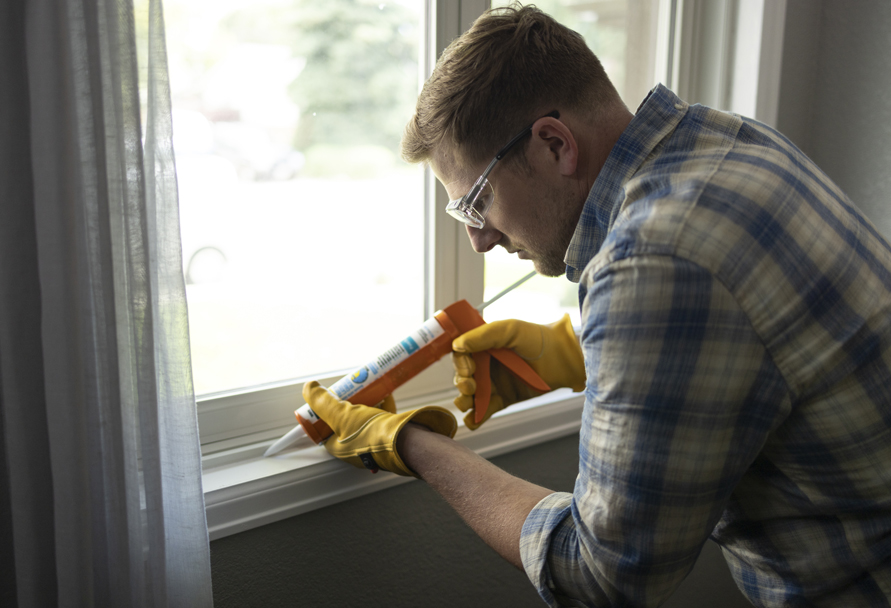
Weatherstripping is used for doors and windows; the parts of your home that move. For sealing cracks and joints that let in drafts — where two unmoving parts of the building come together — you want to use caulking. Caulk around windowsills, door frames, chimneys, exhaust vents and water faucets.
Before starting a caulking project, remove any old caulk, clean the surface and let the area dry. You can’t caulk if the temperature is below 40 degrees, so take advantage of any unseasonably warm days to wrap up these projects.
It’s not too late to insulate
Do you feel like you’re running your furnace, but your house just never seems to stay warm? Inadequate insulation may be the culprit. Proper insulation keeps your home warm in winter and cool in summer. Experts estimate that 89% of single-family homes in the United States need more insulation. Could yours be one of them?
Start by looking up! Your attic floor, or the ceiling of your top story, is your home's primary candidate for insulation. You could save as much as 30% of your energy costs by better insulating your attic or top floor.
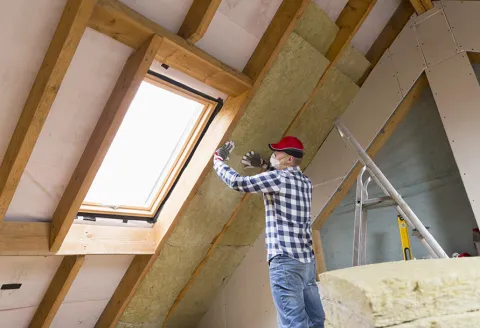
Blanket and batt Insulation are great options for insulating attics, walls, rafters and underneath floors. Blankets (continuous rolls) and batts (pre-cut sections) of rock wool or glass fiber work well where there's a standard space between joists or rafters and few obstructions. Both are available with or without vapor barrier backing.
Loose-fill and blown-in insulation also make it easy to insulate unfinished attic floors. Just check to make sure your insulation meets federal specifications. Blown-in insulation is good for filling the nooks and crannies in finished frame walls.
If your ductwork routes through unheated areas of your home, like an attic or crawlspace, they lose heat as air travels through them. This can be a big project, depending on a lot of factors, like the duct type, where it runs and any potential leaks. If you need help, most HVAC technicians can insulate ductwork and should be able to give you a quote for the service.
Change your furnace filter
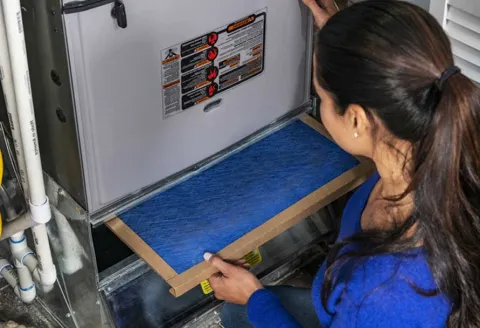
Replacing your filter is one of the most straightforward ways to improve the efficiency of your furnace. They’re relatively inexpensive, usually simple to replace and can make a big difference in the air quality of your home. Good airflow lowers energy use, reduces motor wear and prevents problems with overworked fans and blowers. All that said, when was the last time you changed your furnace filter?
Different manufacturers and models recommend different replacement schedules, but a good rule of thumb is every 1-3 months for 1-inch filters, while thicker filters may last longer. If you have pets, live near unpaved roads, have increased pollen in your area or have had smoke in the area from wildfire, your filter will probably need changed more frequently.
Not sure if you should swap yours out? Take a look at the filter; if it appears dusty or gray, or if it looks clogged when you hold it up to the light, it's time to replace it.
Install a smart thermostat
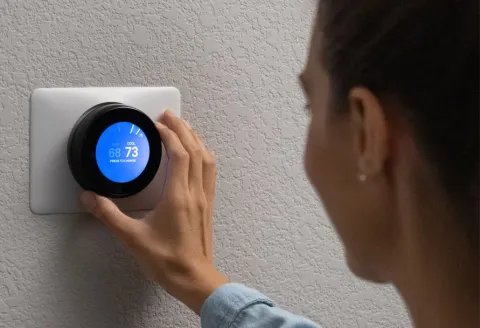
Did you know that people tend to sleep better in a slightly cooler environment? That means to get your best night’s sleep, it may be worth turning your thermostat down before bed. Likewise, there’s no reason to keep your home as warm when nobody is home — so it makes sense to turn your thermostat down before you leave for the day as well.
These adjustments will help you save energy, but it’s a lot of fiddling with your thermostat. Luckily, there’s a much easier way to manage your heating while optimizing comfort and maximizing energy savings; install a smart thermostat. Every model is a little different, but most smart thermostats will let you set a heating schedule, and many will let you control the thermostat from your phone. Some will even learn your schedule and preferences and automatically make temperature adjustments.
There are lots of great smart thermostats available now, and you may be eligible for a rebate when you buy and install one. Check out our available rebates to see if you can get some money back when you get yours.
What about your water?
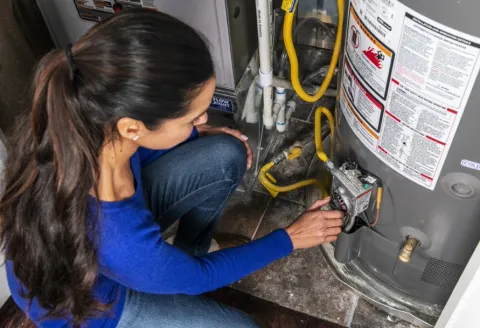
You may not realize it, but you use a lot of energy just heating water. Reducing that energy expenditure is a good way to save some money. A simple first step is to check the temperature setting on your hot water heater. If it’s set too high, you could be paying a lot for lost heat over a year, and you’ve got a safety hazard on your hands; at 140º water can scald in minutes. But if your water heater is set too low, you’ve got another problem; lower temperatures may encourage bacterial growth. Low water temperatures are also less effective at cleaning and make for uncomfortable showers. For most households, 120º is a great compromise. You’ll save energy, have enjoyable showers and significantly reduce the risk of scalding.
Remember natural gas safety
Natural gas stinks, but it’s smelly for a reason! It’s odorized as a safety feature — many people say it smells like rotten eggs. If you start sniffing that, here’s what you should do.
- Immediately leave the home or building where the smell is detected. Let everyone else in the building know they need to leave too.
- Do not open or close windows before you leave.
- Do not turn light switches on or off.
- Do not smoke or use electronics including mobile phones, garage door openers or alarm systems.
- Never start an engine or drive a vehicle where the odor is present.
- Move to a safe distance — approximately 300 feet or more — until you can no longer smell the gas odor.
- Once you reach a safe distance, call 911 and Black Hills Energy at 888-890-5554.
- Never attempt to fix or adjust gas lines or related equipment.
- If you don’t own the property or residence, notify the property owner or manager.
- Stay away from the area until you are informed by Black Hills Energy employees or emergency responders that it is safe to return.
Also, because all fossil fuels — including natural gas — create carbon monoxide as they burn, everyone should install, and regularly inspect, carbon monoxide detectors. If you suspect a carbon monoxide problem, leave the premises and call our emergency number 888-890-5554 or 911.
Stay warm, even when it gets cold
Just because it’s cold outside, you don’t have to be uncomfortable — and you don’t have to break the bank to stay comfy and cozy. With a few small steps to improve your energy efficiency, you can save energy while keeping your home safe and warm.
Don’t forget, we have several residential rebates that can help you save money while becoming more energy efficient. Explore what’s available and learn what rebates you’re eligible for today.
Positive Energy